

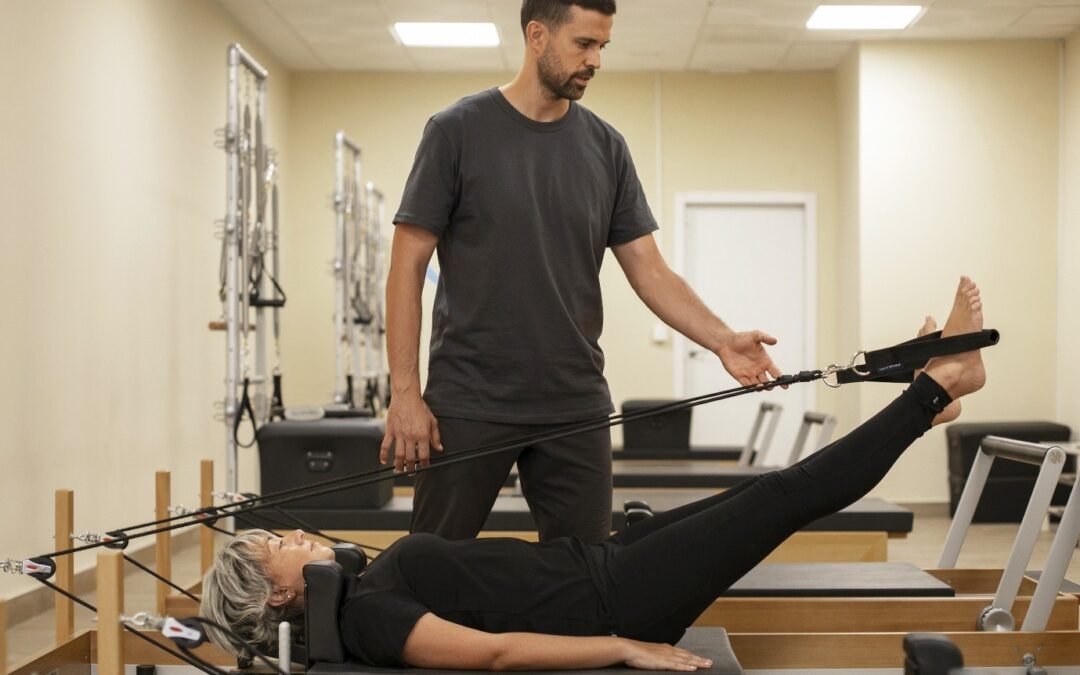
You bend, lift, reach, and turn hundreds of times each day. Each action draws on strength, balance, and timing. When one link weakens, other joints take extra load. Professional Pilates instruction trains these links to work as one unit.
At Intelligent Movement Systems, a skilled Pilates instructor in Chula Vista guides each client through precise, low-impact exercise. The goal is simple: move well in daily life, sport, and rest. This page explains the method, the benefits, and the path forward.
What Is Functional Movement?
Functional movement describes the basic patterns of daily life. Squatting, hinging, pushing, pulling, rotating, and walking all count. Good function means each pattern feels smooth, stable, and strong.
Motor control research shows the brain learns patterns, not single muscles. Injury, long hours at a desk, and repeated habits can alter these patterns. The body then finds workarounds. A workaround may feel fine for years, yet it places extra stress on the neck, low back, hips, or knees.
Professional instruction identifies these workarounds. It then replaces them with efficient, well-timed alternatives.
How Do Pilates Principles Shape Everyday Movement?
Joseph Pilates built his method on six principles. Each one carries over to daily tasks.
- Centering: The trunk becomes the base for arm and leg motion. A steady center protects the spine during lifting and reaching.
- Concentration: Focused attention sharpens body awareness, so clients notice poor form early.
- Control: Slow, deliberate effort builds strength through the full range of each joint.
- Precision: Exact placement of the ribs, pelvis, and shoulders improves alignment.
- Breath: Steady breathing links the diaphragm with the deep core muscles.
- Flow: Smooth transitions carry good habits into real activity.
Which Body Areas Gain the Most From Training?
Hips and Spine
Stiff hips force the low back to move more than it should. Exercises such as bridging and spinal articulation restore hip motion and teach the spine to move one segment at a time.
Shoulders and Neck
Long hours at a screen pull the head forward and round the shoulders. Rowing and pulling work on the Reformer strengthens the upper back and returns the shoulder blades to a stable position.
Feet and Balance
Strong feet and steady hips improve balance on stairs and uneven ground. Standing work with spring resistance trains the ankles, knees, and hips to share the load.
How Does Equipment-Based Instruction Add Value?
Pilates apparatus uses springs to adjust resistance. A heavier spring challenges strength, while a lighter spring can assist a weak or painful movement. This flexibility lets an instructor tailor each exercise to the individual client.
The Reformer trains the legs, trunk, and arms through gliding motion. The Cadillac allows hanging and pushing work, and the Wunda Chair develops single-leg balance.
How Does a Private Session Progress?
Each personalized session follows a clear structure, which keeps progress steady and safe.
- Intake: The client completes a health questionnaire. The instructor reviews injuries, medical conditions, and goals.
- Evaluation: Postural and movement checks reveal strengths, limits, and compensation patterns.
- Instruction: Individualized exercises address the findings, with clear cues and hands-on guidance.
- Review: The instructor retests key movements, then adjusts the program to match progress.
Who Benefits From Individual Instruction?
Attentive, one-on-one instruction suits a wide range of clients:
- Athletes: Runners, golfers, and tennis players build trunk control and joint mobility, which improves efficiency and lowers strain.
- Desk workers: Targeted work counters rounded shoulders, tight hips, and stiff upper backs.
- Older adults: Strength and balance training builds confidence on stairs and in daily tasks.
- Clients in rehabilitation: With physician clearance, gentle exercise restores movement after injury or surgery.
Pilates complements medical care and does not replace it.
Begin Your Movement Plan Today
Ready to move with more ease and control? Intelligent Movement Systems offers attentive, personalized sessions built around your goals. Book Private Pilates in Chula Vista, complete the health questionnaire, and take the first step toward stronger, more confident movement. Zoom sessions are also available for clients who prefer to train from home.
Frequently Asked Questions
How soon will I notice changes?
Many clients notice better posture and body awareness within four to six sessions. Strength and endurance gains build over eight to twelve weeks. Progress depends on session frequency, health history, and regular home practice.
Do I need prior experience or good flexibility?
No. Instructors adapt each exercise to your current ability. Beginners start with simple, well-explained movements, and the program grows as strength and control improve. Flexibility develops through training, so stiffness is a starting point, not a barrier.
Can Pilates help with back or joint pain?
Pilates builds trunk strength and improves movement patterns, which may ease some forms of low back and joint discomfort. Evidence is strongest for chronic low back pain. Share your medical history first, and consult your physician for acute injury.
What should I wear and bring to a first session?
Wear fitted, comfortable clothing so the instructor can observe joint alignment. Bring a completed health questionnaire, a water bottle, and a list of current medical concerns or past injuries. Socks with grip help, though bare feet work.
About The Author
